
Slow fashion: creative and ethical values for your style
, by Gary KAGO , 15 min reading time
, by Gary KAGO , 15 min reading time
Discover the values of slow fashion to express your style with ethics and creativity. Transform your wardrobe into a reflection of your convictions!
TL;DR:
- Slow fashion prioritizes quality, sustainability and ethical production.
- It offers a better cost per use due to the longevity of the garments.
- This movement values creative expression and individuality beyond trends.
Clothes bought from fast fashion stores are worn on average 7 to 15 timesThis is compared to 50 to 120 times for slow fashion pieces. This figure speaks volumes. A carefully curated wardrobe lasts longer, costs less per use, and says something about you. For creative young adults looking to dress their personality without compromising their values, slow fashion offers a wealth of possibilities. This article explores its foundations, its tangible benefits, its real challenges, and its artistic dimension. You'll leave with clear guidelines for building a style that truly reflects who you are.
| Point | Details |
|---|---|
| Longevity and quality | Each slow fashion garment is designed to last and be worn many times, reducing waste. |
| Reduced environmental impact | Slow fashion uses sustainable materials and responsible manufacturing processes to limit emissions and water consumption. |
| self-expression | Adopting slow fashion allows you to create a unique style, in line with your values and identity. |
| Be vigilant against greenwashing | It is essential to be informed about the transparency and practices of brands to avoid marketing traps. |
Having explored the impact of the number of uses per garment, let's examine the foundations of slow fashion. This movement isn't a trend; it's a consumption philosophy built on several solid pillars, each directly influencing your purchasing choices and your experience with fashion.
THE values of slow fashion These include quality, ethical production, sustainable materials, transparency, and mindful consumption. Each of these pillars deserves to be understood in concrete terms.
A slow fashion garment is designed to last. The seams are reinforced, and the materials are selected for their durability and comfort. A responsibly produced merino wool jacket can last its owner ten years or more. Compared to a fast fashion item that frays after a few washes, the difference is immediately apparent.
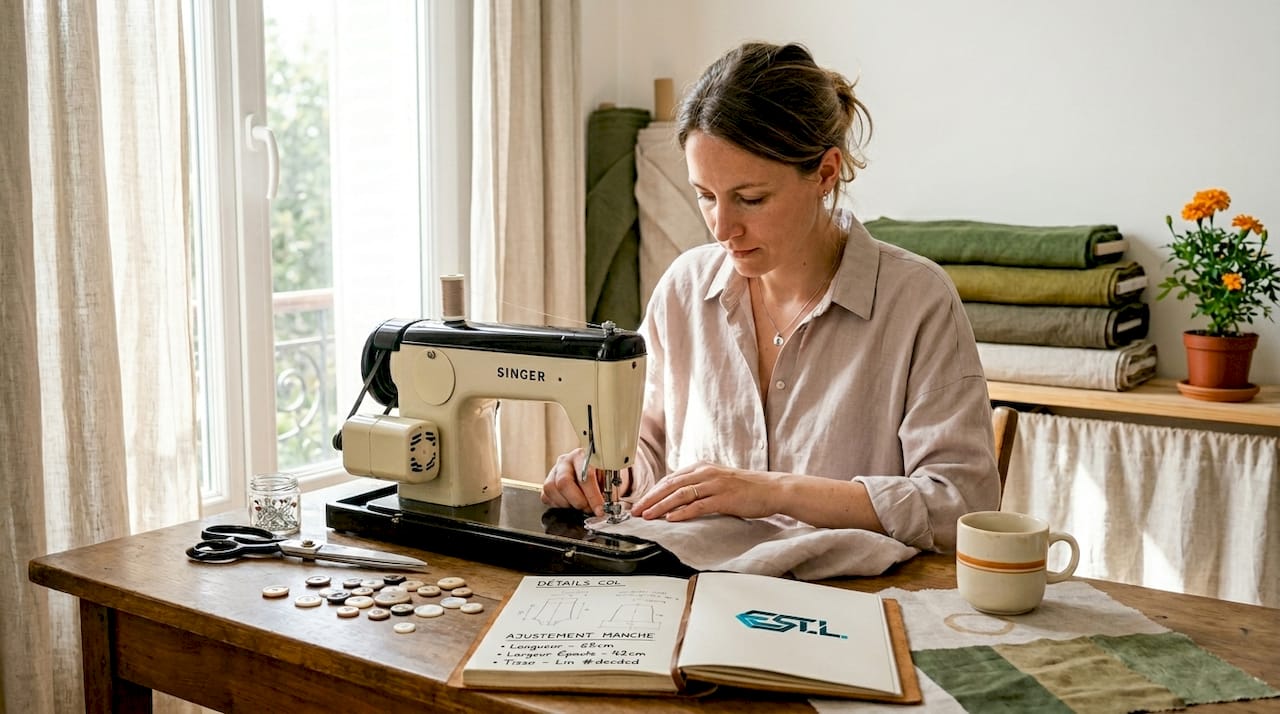
Working conditions in fast fashion factories are often precarious. Slow fashion focuses on short supply chains, decent wages, and regulated factories. Certifications like Fair Trade or GOTS attest to these commitments. Buying a certified garment also means supporting a worker who has received a fair wage.
Linen, organic cotton, Tencel, and recycled wool are common materials in slow fashion. They often require less water and pesticides than conventional cotton and decompose more easily at the end of their life. Some brands go further by incorporating upcycled materials, meaning materials made from textile waste transformed into new garments.
A truly reputable slow fashion brand clearly indicates the origin of its raw materials, the names of its suppliers, and the manufacturing conditions. This transparency allows consumers to verify what they are buying. It also builds trust. If a brand refuses to disclose this information, it's a red flag.
"Slow fashion isn't about filling a wardrobe with durable pieces. It's about buying less, choosing intentionally, and..." take the time to understand what you're really buying.
Here are the key values to remember:
These values are not abstract. They translate into concrete choices with every purchase.
Having understood the values, let's move on to a concrete comparison between slow fashion and fast fashion. The numbers speak for themselves and allow us to better understand what each choice truly entails.
The concept of cost per use (CPW) is simple: divide the price of a garment by the number of times it is worn. A fast-fashion t-shirt costing €15 worn 10 times costs €1.50 per use. A slow-fashion t-shirt costing €60 worn 80 times costs €0.75 per use. The calculation reverses the initial intuition.
Cost-per-use data clearly shows that sustainable brands offer better value for money over time.
| Criteria | Fast fashion | Slow fashion |
|---|---|---|
| Average number of carries | 7 to 15 | 50 to 120 |
| Cost per use (estimate) | €1.00 to €2.50 | €0.50 to €1.00 |
| CO2 emissions per garment | Raised (fast production) | Reduced (local production) |
| Water consumption | Very high | 30 to 50% lower |
| Estimated lifespan | 1 to 2 years | 5 to 15 years old |
Patagonia is often cited as a benchmark for slow fashion. The brand offers a repair service for its products, encourages customers to buy secondhand clothing, and publishes the carbon footprint of each product on its website. A Patagonia coat can last two decades and several owners. Its cost per use then becomes very low.
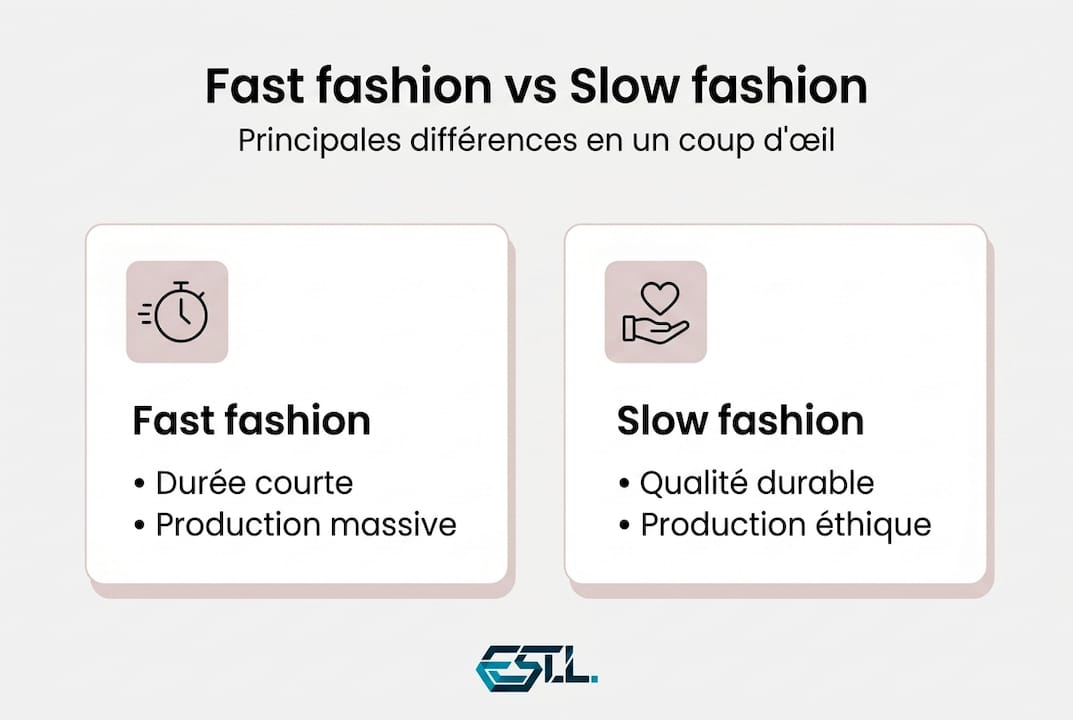
Conversely, a fast fashion coat bought at the beginning of the season often has open seams and pilling materials (which get damaged in the wash) by the second year.
Four reasons why slow fashion is more financially attractive:
Slow fashion isn't just about saving money. It also unleashes creativity. With fewer but better-chosen pieces, you can build a more cohesive style. You can optimize your wardrobe by selecting pieces that combine with each other and reflect your personality rather than current trends.
While the advantages are clear, there are also subtleties and challenges to be aware of. Slow fashion isn't perfect. Ignoring its limitations risks getting lost or being misled.
The main obstacle remains the initial price. A slow fashion item often costs two to four times more than a fast fashion equivalent. For a student or young adult on a limited budget, this difference can seem prohibitive. There's no magic bullet, but some strategies exist: buying secondhand, targeting sales from ethical brands, or investing gradually by replacing worn items with sustainable alternatives.
Pro tip: Start with the pieces you wear most often, like jeans, basic t-shirts, and jackets. These will offer the best return on investment if they are of superior quality.
Many major brands have adopted eco-friendly vocabulary without changing their practices. Terms like "green collection" or "eco-responsible" mean very little without concrete data to back them up. Greenwashing consists of using environmental claims as a marketing tool without any real commitment.
For express your creativity In an authentic way, it is better to turn to brands that publish their carbon footprints, indicate the names of their factories and obtain independent certifications.
Organic cotton is often presented as the ideal solution. In reality, its life cycle It reveals impacts that are sometimes underestimated: it requires more agricultural land than conventional cotton, and its water consumption remains high in some regions. This isn't a reason to avoid it, but rather to consider it more nuanced. Slow fashion encourages us to look at the entire life cycle of a product, not just its raw materials.
| Matter | Benefits | Boundaries |
|---|---|---|
| Biological cotton | Fewer pesticides | High water consumption |
| Lin | Low water content, biodegradable | Localized culture |
| Recycled polyester | Uses plastic waste | Microplastics in the wash |
| merino wool | Sustainable, natural | Animal impact to be verified |
Here are the reliable signals to look out for:
A cultural shift is also necessary. As long as impulse buying remains the norm, even the best slow fashion brands will struggle to grow. This is a movement that requires a collective transformation, not just individual actions.
Finally, let's look at how slow fashion is becoming a cultural and creative force. Beyond ethics and ecology, it's a worldview. A way of saying that the way we dress can be an artistic and political act.
Buying a garment designed by an artist or independent workshop means participating in a cultural exchange. Each piece tells a story, carries an intention. Unlike fast fashion, which standardizes silhouettes and colors according to trend algorithms, slow fashion values handmade items, artisanal printing, and limited editions.
You can explore creative styles which depart from classic codes and tell a unique story. Clothing becomes a medium, just like a painting or a photograph.
Slow fashion is a state of mind It is a cultural movement connected to other forms of activism, such as the right to a fair wage, the fight against waste, and the promotion of artisanal skills. It also criticizes the marketing co-optation that empties words of their meaning.
Wearing a slow fashion piece is a statement. It's not about conforming to a trend, it's about building a lasting visual identity. For those who appreciate art, it's also a way to support creators rather than conglomerates.
Here's how to cultivate a slow and creative style on a daily basis:
Slow fashion aligns with broader causes: combating waste, promoting human rights in production chains, and preserving textile traditions. In some regions of Africa and South Asia, ancestral weaving and dyeing skills are threatened by industrial standardization. Slow fashion can help preserve these skills by promoting local and artisanal production.
It's also a concrete response to the cultural homogenization imposed by fast fashion. When everyone wears the same cuts and prints bought from the same global chains, individuality disappears. Slow fashion restores it.
These reflections raise questions about the cultural impact of slow fashion. Here is our vision for taking it further.
Slow fashion isn't a product you buy. It's a stance. It requires slowing down in a world that pushes us to consume quickly and frequently. It invites us to ask ourselves: does this piece truly reflect who I am? Will I still be wearing it in three years?
What we observe is that cultural traditions often inspire the most authentic practices. Cultures of clothing repair and care, particularly in several African regions, demonstrate that a garment can last for generations if properly cared for. Far removed from Western greenwashing, this approach is based on the object's true value.
For creative types, slow fashion also opens a door to artistic expression. Choosing a piece intentionally, wearing it for a long time, personalizing it—this is part of an approach similar to that of a designer clothesRejecting fleeting trends also means choosing a style that won't age. This, perhaps, is the most enduring promise of slow fashion.
Do you want to take action while maintaining your authenticity?

At the house of EAST.L ShopEach piece is designed at the intersection of art and sustainable fashion. The collections draw inspiration from Gary Kago's graphic designs, blending color, freedom, and personal expression. You'll find t-shirts and sweatshirts made to last, bearing a strong visual identity. Explore the women's collection or the men's collection To find pieces that speak to you, made with care and intention. Building a slow fashion wardrobe can start with a single well-chosen piece.
The initial cost is often higher, but the cost per use of sustainable brands is generally lower over time, as the clothes are worn for much longer.
Fibers such as linen, organic cotton and recycled materials are recommended, but one must remain attentive to the hidden impacts of each material depending on its production context.
We must demand total transparency on the product life cycle and verify recognized independent certifications, because the risk of greenwashing remains present even among brands that claim to be responsible.
Yes, it encourages personalization and creativity by valuing unique pieces and thoughtful choices, far from the standardization imposed by large retailers.


